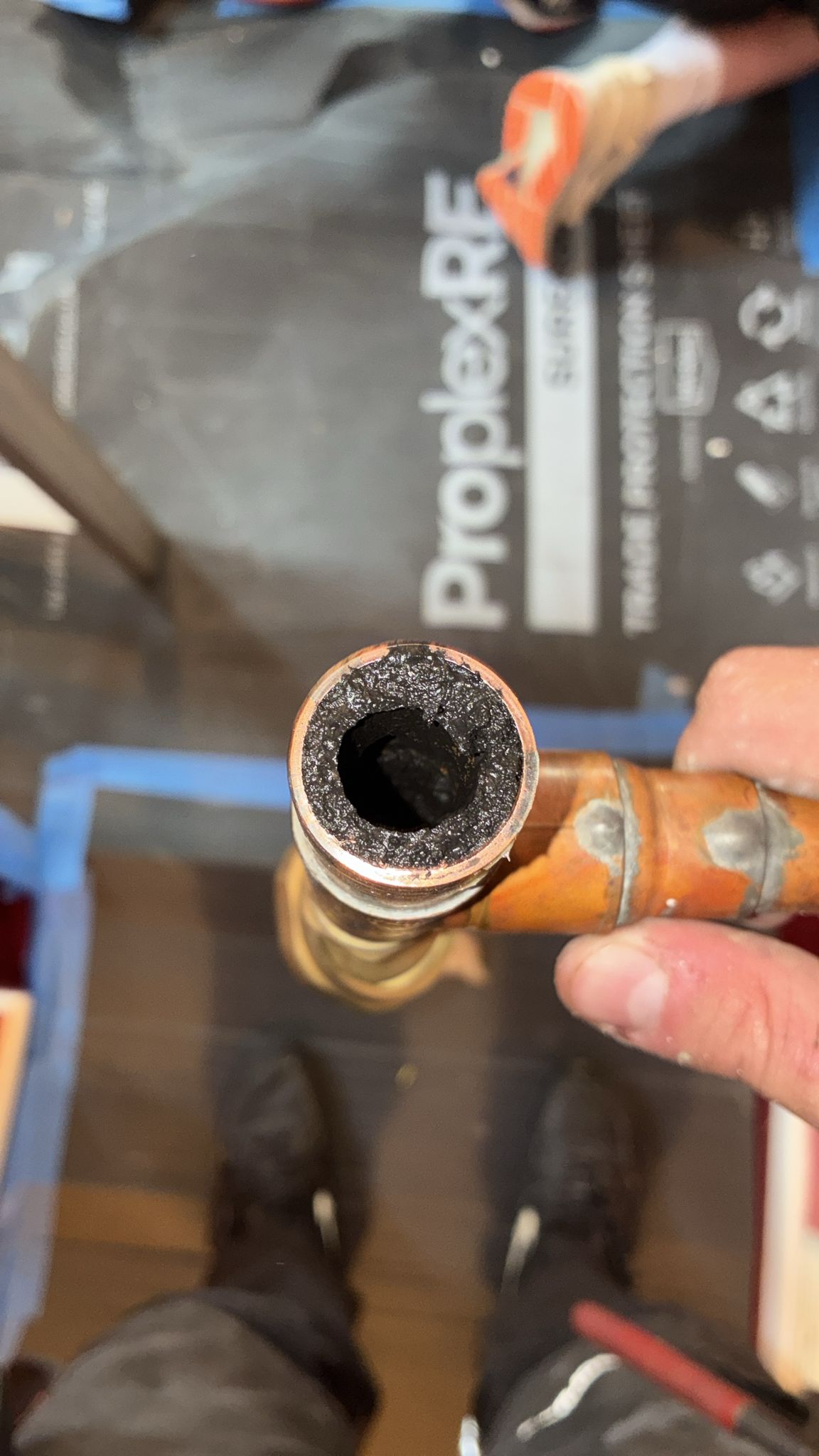
Blocked heating pipework is one of the most common reasons heating systems underperform in older homes and commercial properties. Over time, sludge, corrosion and debris build up inside the system, restricting water flow and stopping radiators and boilers from working as they should.
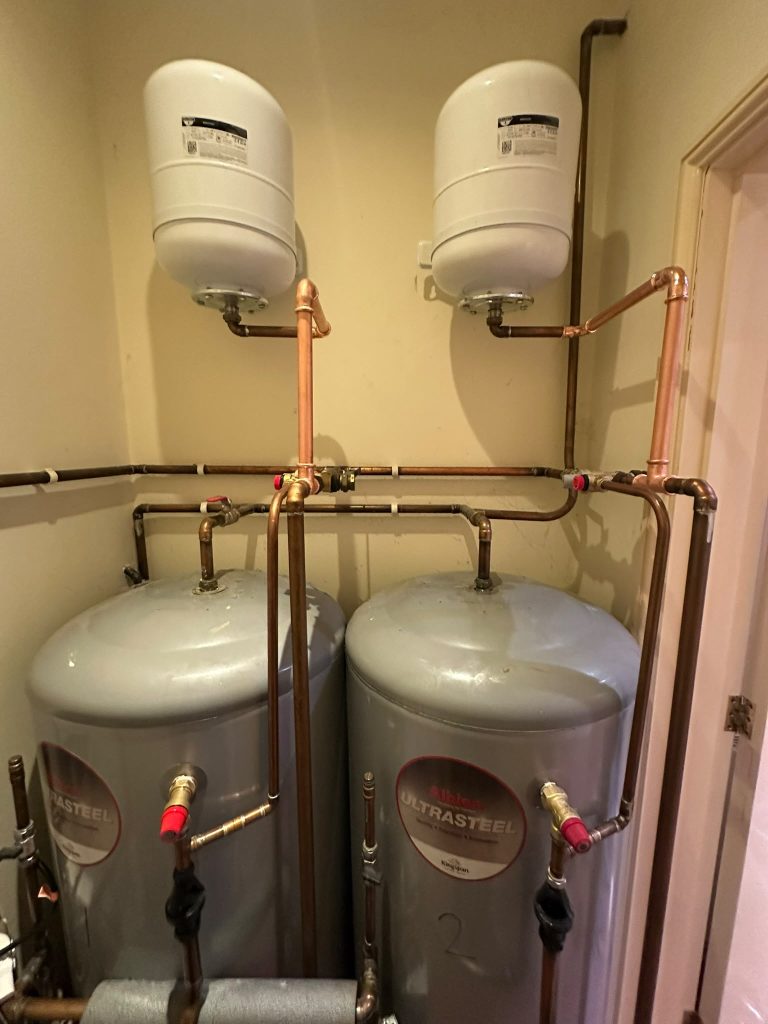
At Alliance CFM, we regularly attend properties where heating issues keep returning even after basic repairs or flushing. In more severe cases, the pipework itself is too restricted internally and the only long term fix is cutting out the affected sections and replacing them with new heating pipework designed for modern system performance.
What Causes Heating Pipework to Block?
As heating systems age, internal corrosion naturally develops. Tiny particles of rust and sludge circulate through the system and gradually settle inside pipework and radiators. Over time, this build up restricts flow, reducing circulation and making it harder for heat to move evenly around the property. Older steel pipework is particularly vulnerable, as internal corrosion can narrow the pipe diameter significantly.
Signs Your Heating Pipework Could Be Blocked
Blocked pipework often shows itself through ongoing heating problems that do not fully resolve.
- Radiators staying cold at the bottom or not heating evenly
- Certain radiators not heating at all
- Noisy pipes or gurgling sounds in the system
- Boiler repeatedly cutting out or locking out
- Slow heating response across the property
- Uneven temperatures in different rooms
- Heating performance improving briefly after bleeding but then worsening again
When these issues keep returning, it often points to restricted circulation within the pipework itself.
Why Replacing Pipework Is Sometimes the Only Proper Fix
Power flushing can help many heating systems by removing sludge and improving flow. However, when pipework is heavily corroded or internally narrowed, flushing alone may not restore proper circulation. In these cases, replacing blocked sections of pipework is often the most reliable solution. By removing restricted runs and installing new pipework, the system can circulate freely again, allowing radiators and boilers to operate more efficiently.
Heating System Upgrades Done Properly
A new boiler installed onto an old, heavily restricted system will rarely perform at its best. If pipework is blocked, the same heating problems can continue even after upgrades. At Alliance CFM, we assess the full system rather than focusing on one component. If pipework is contributing to circulation issues, we address it directly so the heating system performs properly as a whole.
Frequently Asked Questions
What causes heating pipes to block?
Sludge, corrosion and debris build up inside the system over time, restricting water flow.
Can blocked pipework damage a boiler?
Yes, poor circulation can increase strain on pumps and boilers, leading to breakdowns.
Does power flushing always fix the issue?
Not always. In heavily corroded systems, pipework replacement may be required.
What are the most common signs of blocked heating pipes?
Cold radiators, poor circulation, noisy pipework and repeated heating issues are key indicators.
Is replacing heating pipework worth it?
In severely affected systems, it can significantly improve performance and reliability.
Speak to Alliance CFM About Heating Pipework Replacement
If your heating system is suffering from blocked pipework or ongoing circulation issues, Alliance CFM can help. We provide heating diagnostics, pipework replacement, boiler upgrades and long term system improvements designed to restore proper performance. Call 0118 230 1268 or email contact@alliancecfm.co.uk to speak with the team today.